Europe’s vision for drones goes far beyond technology, it’s about shaping a smart, sustainable, and digitally connected airspace.
Since 2014, the European Union has been developing a comprehensive policy framework to integrate drones safely and efficiently into aviation.
Here you will find strategic documents and policy frameworks that help shape the future of Europe’s unmanned aviation.


Strategies
Drone Strategy 2.0
Adopted in 2022, the Drone Strategy 2.0 sets out a clear vision for the next stage of Europe’s drone evolution. Its goal is to unlock the potential of new aerial services, support European research and manufacturing, and enable a competitive, innovative, and sustainable drone ecosystem.
The Strategy envisions the following drone services becoming part of European life by 2030:
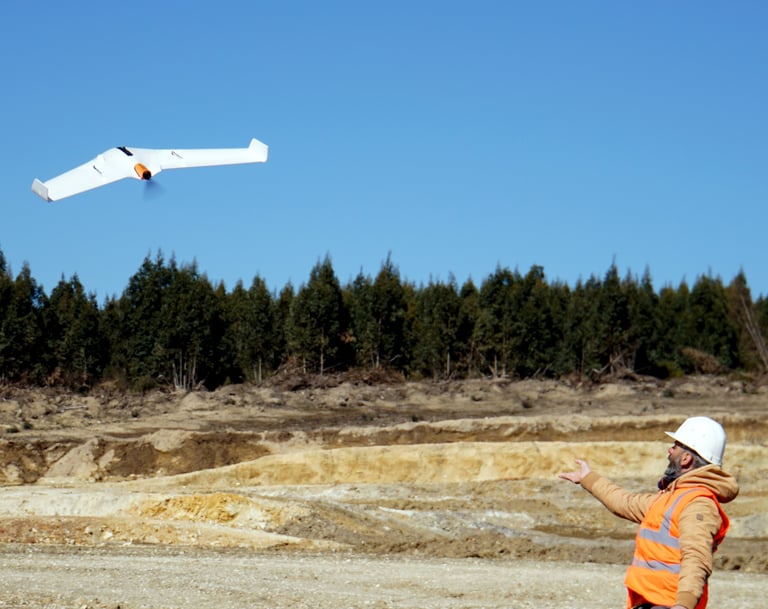
Emergency services, mapping, imaging, inspection and surveillance within the applicable legal frameworks by civil drones, as well as the urgent delivery of small consignments, such as biological samples or medicines.
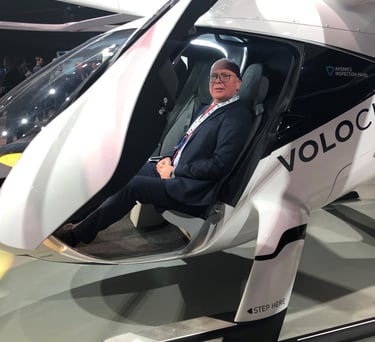
Innovative Air Mobility services, such as air taxis, providing regular transport services for passengers, initially with a pilot on board, but with the ultimate aim of fully automating operations.
To unleash the full potential of the EU drone market and related services, the Strategy highlights the importance of critical technological building blocks such as artificial intelligence, robotics, semiconductors, EU space services, and mobile telecommunications. These technologies will help the EU build an innovative and resilient drone industry while reducing strategic dependencies.
It also identifies opportunities for civil–defence synergies, as well as the need to strengthen counter-drone capabilities and system resilience to safeguard the safe integration of drones into the European airspace.
An accompanying Staff Working Document provides an in-depth assessment of the challenges faced by the drone industry, supported by data and analysis underpinning the Drone Strategy 2.0.
JEDA contributes to this vision by ensuring that the perspectives of operators, industry, and national associations are represented and reflected in Europe’s strategic discussions, research initiatives, and policy development.
€1 billion+
Invested in the development or use of drones for innovative applications
320+ projects
Funded through EU research & innovation programmes
19 actions for tomorrow's drone market
The Drone Strategy 2.0 outlines 19 operational, technical, and financial flagship actions to build the right regulatory and commercial environment for Europe’s future drone airspace and market:
Adopting common rules for airworthiness, and new training requirements for remote and eVTOL (manned electric Vertical Take Off and Landing) aircraft pilots.
Funding the creation of an online platform to support local stakeholders and industry implementing sustainable Innovative Air Mobility.
Developing a Strategic Drone Technology Roadmap to identify priority areas for research and innovation, to reduce existing strategic dependencies and avoid new ones arising.
Defining criteria for a voluntary cybersecurity-approved drone label.
Together, these actions will pave the way for large-scale commercial operations and ensure that Europe fully benefits from the synergies between civil, security, and defence applications — including the development of counter-drone capabilities and related technologies.


EASA – Drones and Innovative Air Mobility
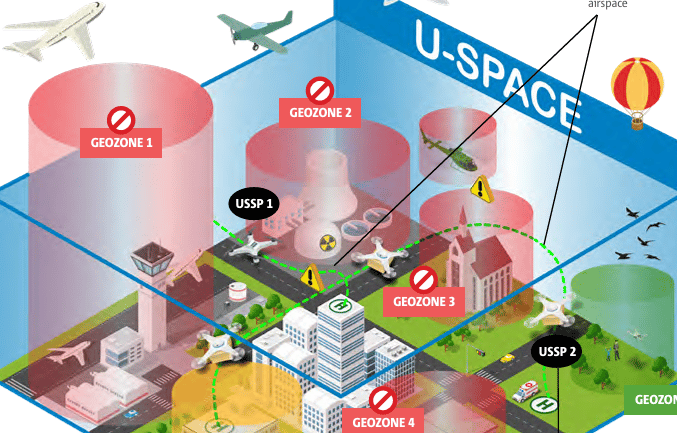
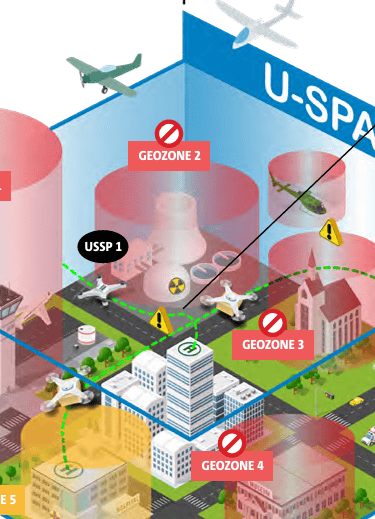
The EASA plays a central role in shaping the future of drones and Innovative Air Mobility (IAM) in Europe. As aviation enters a new era defined by technological innovation, EASA is working to ensure that new forms of flight, from drones to Vertical Take-Off and Landing (VTOL) aircraft are safe, sustainable, and socially accepted. A key element that enables drones and VTOLs to operate safely and efficiently is U-space, a dedicated digital airspace environment framework
At the same time, EASA’s Innovative Air Mobility Hub connects policymakers, local authorities, manufacturers, and operators to exchange knowledge, support research, and promote the sustainable rollout of new mobility services across Europe.
Beyond technology and safety, public confidence is essential for the success of Urban Air Mobility (UAM). To build this trust, extensive research has been conducted on citizens’ acceptance and expectations, helping to shape standards for aircraft, air services, vertiports, and supporting infrastructure. These insights guide Europe’s efforts to ensure that the next generation of air mobility is not only innovative and connected, but also socially accepted and environmentally responsible.


EUROCONTROL – Enabling the Safe Integration of Drones into Europe’s Airspace
EUROCONTROL plays a pivotal role in the safe and efficient integration of UAS into Europe’s complex and busy skies. As air traffic becomes increasingly digital and interconnected, EUROCONTROL supports the operational, technical, and regulatory foundations needed to ensure that manned and unmanned aviation can coexist safely and efficiently across all airspace classes.
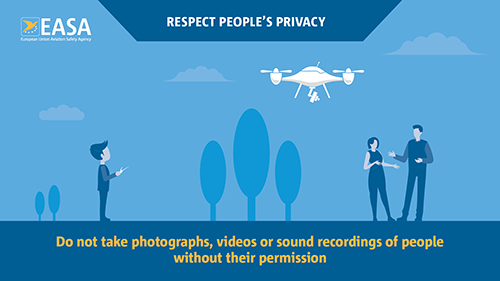
A key initiative supported by EUROCONTROL is the European Network of U-space Stakeholders — a collaborative platform established by the European Commission to accelerate the implementation of U-space services across Europe. Its mission is to reduce implementation risks, share lessons learned, and harmonise approaches to ensure that drone operations are safe, secure, environmentally sustainable, and respectful of citizens’ privacy.
By fostering cross-border cooperation, promoting economies of scale, and ensuring regulatory and operational harmonisation, EUROCONTROL helps transform research into deployment-ready solutions that advance the European vision of a connected, digital, and inclusive airspace.

European Defence Agency – Action Plan on Autonomous Systems (APAS)
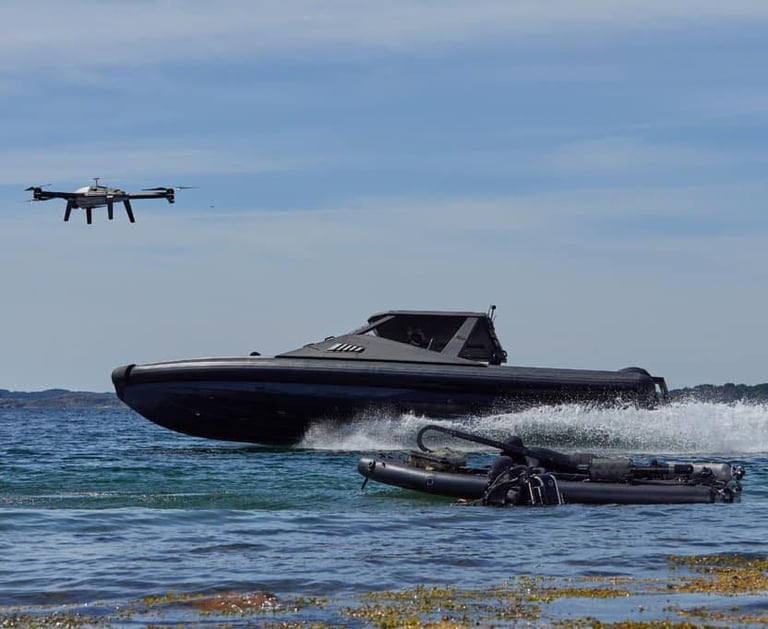
Autonomous systems are reshaping both civil and defence domains, bringing new levels of precision, safety, and efficiency. Advances in artificial intelligence, robotics, computing, and networked systems are enabling capabilities that extend far beyond traditional manned platforms.
To harness this potential, the European Defence Agency (EDA) adopted the Action Plan on Autonomous Systems (APAS) in January 2024. The plan sets out a coordinated approach to accelerate the development of autonomous technologies across land, air, maritime, and cross-domain operations. It promotes research synergies, cross-sector cooperation, and investment efficiency, ensuring that European innovation in autonomy strengthens both defence capability and strategic resilience.
By fostering collaboration between civil and defence industries, the APAS supports Europe’s ambition to maintain a technological edge and to build a more secure, sustainable, and future-ready autonomous systems ecosystem.